
Stay Current, Stay Sharp
Every pilot needs a flight review, and every instrument pilot needs to stay instrument current. Whether you are due for your flight review, need to knock the rust off, or want to get your instrument currency back, let's get you legal, confident, and back in the air.
Staying current is part of being a pilot, but it does not have to be a chore. A good flight review or instrument proficiency check is not just a box to check, it is a chance to sharpen up, ask the questions you have been sitting on, and fly with someone who wants you to walk away a better, more confident pilot. Here is what each one involves.
The Flight Review (BFR)
Every certificated pilot is required to complete a flight review every 24 calendar months to keep acting as pilot in command. A lot of people still call it the BFR, for biennial flight review, though the FAA just calls it a flight review now. If you have not done one in the last 24 months, you are not legal to fly as PIC until you do, and there is no checkride and no pass or fail, it is a review, not a test.
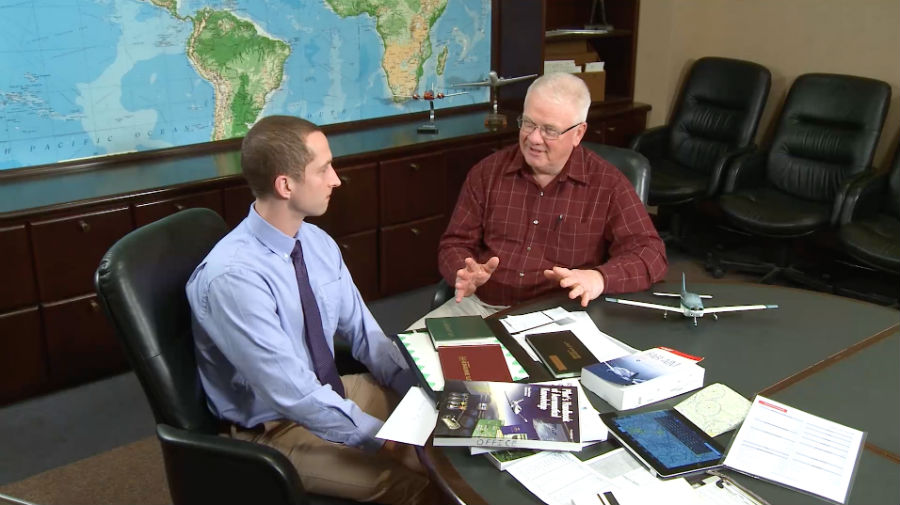
A flight review is a minimum of one hour of ground and one hour of flight with an instructor. On the ground, we go over the current general operating and flight rules, the regulations that actually matter for the flying you do. In the air, we review the maneuvers and procedures that make you a safe, capable pilot in command. The goal is not to trip you up, it is to make sure you are sharp and to fill in any gaps that have crept in since your last review. When we are done and you have shown you are safe, I sign your logbook and you are good for another 24 months.
Here is the part worth knowing, a flight review is what you make of it. Come in with the systems you have always wondered about, the airspace that always confused you, or the maneuver you never quite nailed, and we will work on exactly that. It is the best cheap insurance in aviation.

The Instrument Proficiency Check (IPC)
The instrument proficiency check is a separate thing from the flight review, and it is specifically for instrument-rated pilots who have fallen out of instrument currency. To fly in instrument conditions, you have to stay current by flying a required set of approaches, holds, and tracking tasks within the previous six months. If you let that lapse and go too long without those tasks, you lose your instrument currency, and once enough time passes, the only way to get it back is an IPC with an instructor.
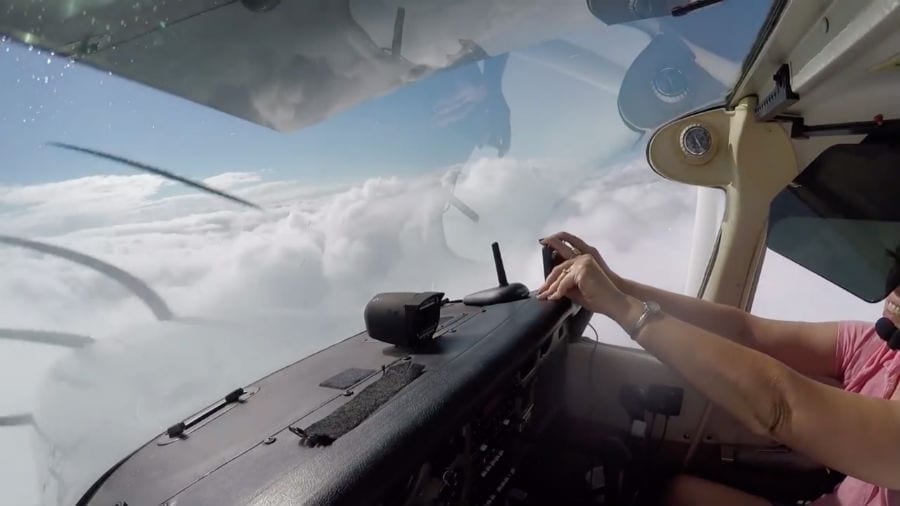
An IPC is a hands-on review of your instrument flying to the standards in the instrument practical test. We will fly approaches, holding, intercepting and tracking courses, and the full range of instrument tasks, and cover the ground knowledge that goes with them. When you demonstrate you can safely operate in the system again, I endorse your logbook and your instrument currency is restored.
If you are an instrument pilot who has not been flying in the clouds much lately, an IPC is one of the smartest things you can do even if you are technically still legal. Instrument skills are perishable, and there is no better way to knock the rust off and get your confidence back than a focused session with an instructor.
The Instrument Proficiency Check (IPC)
The instrument proficiency check is a separate thing from the flight review, and it is specifically for instrument-rated pilots who have fallen out of instrument currency. To fly in instrument conditions, you have to stay current by flying a required set of approaches, holds, and tracking tasks within the previous six months. If you let that lapse and go too long without those tasks, you lose your instrument currency, and once enough time passes, the only way to get it back is an IPC with an instructor.
An IPC is a hands-on review of your instrument flying to the standards in the instrument practical test. We will fly approaches, holding, intercepting and tracking courses, and the full range of instrument tasks, and cover the ground knowledge that goes with them. When you demonstrate you can safely operate in the system again, I endorse your logbook and your instrument currency is restored.
If you are an instrument pilot who has not been flying in the clouds much lately, an IPC is one of the smartest things you can do even if you are technically still legal. Instrument skills are perishable, and there is no better way to knock the rust off and get your confidence back than a focused session with an instructor.
Which One Do You Need?
Here is the simple version. Every pilot needs a flight review every 24 months, no matter what you fly, so if it has been about two years, you are due. The instrument proficiency check is only for instrument-rated pilots who have lost their instrument currency and need it back. Some pilots knock both out together, a flight review and an IPC in the same session, which is a smart, efficient way to get fully current at once. Not sure where you stand? Reach out and we will figure out exactly what you need.
A Few Things Worth Knowing
A flight review is not a pass or fail event, it is a review, though the instructor does need to be satisfied you are safe before signing off, so give it a genuine effort. Certain accomplishments can substitute for a flight review, for example passing a checkride for a new certificate or rating resets your 24-month clock. Completing phases of the FAA WINGS pilot proficiency program can also count in place of a flight review. An IPC, on the other hand, is tied to the instrument practical test standards, so it is a more structured proficiency event. Both are logbook endorsements from your instructor, not certificates, and both are far more valuable than the regulation makes them sound, because they are dedicated time to become a genuinely sharper, safer pilot.
A Few Things Worth Knowing
A flight review is not a pass or fail event, it is a review, though the instructor does need to be satisfied you are safe before signing off, so give it a genuine effort. Certain accomplishments can substitute for a flight review, for example passing a checkride for a new certificate or rating resets your 24-month clock. Completing phases of the FAA WINGS pilot proficiency program can also count in place of a flight review. An IPC, on the other hand, is tied to the instrument practical test standards, so it is a more structured proficiency event. Both are logbook endorsements from your instructor, not certificates, and both are far more valuable than the regulation makes them sound, because they are dedicated time to become a genuinely sharper, safer pilot.
READY TO GIVE US A TRY?
Call now to schedule!
Due for a flight review, or ready to get your instrument currency back? Reach out and let's get it on the calendar. No pressure, no gotchas, just a focused session to get you legal, current, and flying with confidence.