
Fly When the Weather Doesn't Cooperate
The instrument rating is where you stop being at the mercy of a cloudy day. Maybe you're tired of scrubbing the family beach trip because of a low overcast. Maybe you're building toward a career. Either way, this is the rating that turns you into a sharper, safer, more capable pilot. Let's get you cleared into the clouds.
What Is an Instrument Rating?
An instrument rating is an add-on to your private pilot certificate that lets you fly in the clouds and in low visibility, relying on your instruments instead of what you can see out the window. Without it, you are a fair-weather pilot, stuck on the ground anytime the ceilings drop. With it, you can file and fly in the clouds, shoot approaches down to the runway when the weather is marginal, and operate in the same airspace system the airlines use.
Here is the honest truth about why it matters, even if you never plan to fly professionally. Weather is the number one reason personal trips get canceled or turn dangerous. The instrument rating fixes that. It is the difference between "we might make it to the beach if the clouds burn off" and "we are going, and I know exactly how to get us there safely." It is also, hands down, the rating that makes you a better pilot. Ask anyone who has one.

What You Need to Get Started
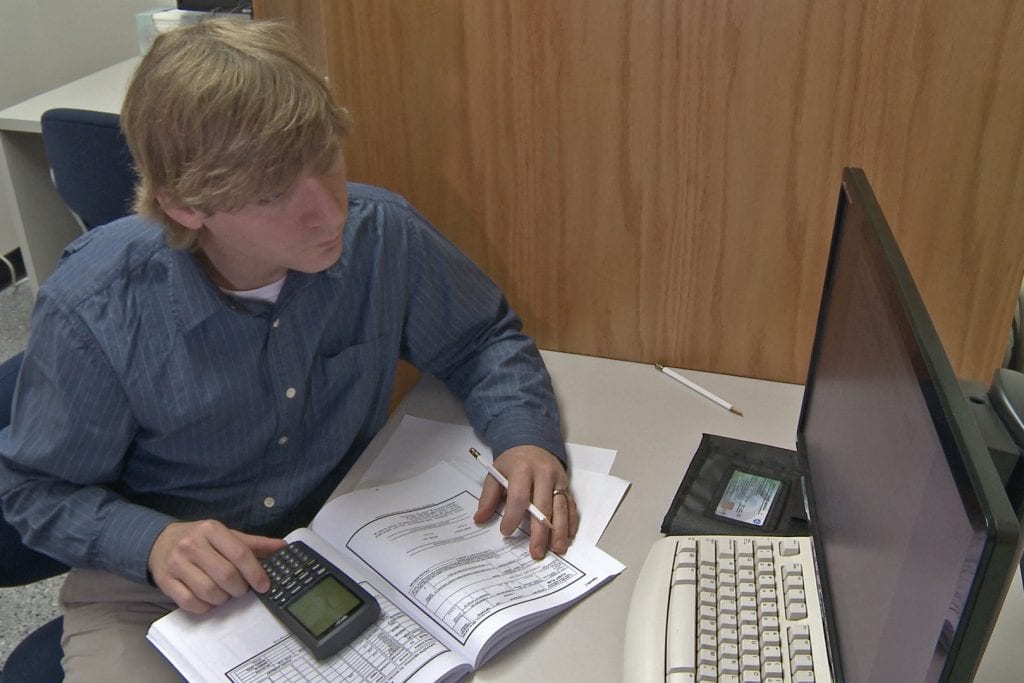
You will need to already hold a private pilot certificate, since the instrument rating builds on top of it. Beyond that, under Part 61 you need to be able to read, speak, write, and understand English, pass a written knowledge test specific to instrument flying, and pass a practical test, the checkride, with an FAA examiner.
Good news on the medical front, you do not need a new one. The same medical certificate you hold for your private carries over. If you can fly now, you can start your instrument training now.
What You Need to Get Started
You will need to already hold a private pilot certificate, since the instrument rating builds on top of it. Beyond that, under Part 61 you need to be able to read, speak, write, and understand English, pass a written knowledge test specific to instrument flying, and pass a practical test, the checkride, with an FAA examiner.
Good news on the medical front, you do not need a new one. The same medical certificate you hold for your private carries over. If you can fly now, you can start your instrument training now.
The Flight Time Requirements
Under Part 61, you need 50 hours of cross country flight time as pilot in command, and 40 hours of actual or simulated instrument time. Some of that instrument time you may already have from your private training, and a portion can be done in a flight simulator or training device, which helps keep costs down.
Built into that 40 hours is a long instrument cross country flight of at least 250 nautical miles that includes flying different types of instrument approaches. Like the private, the real world time to finish varies. Most people land in the range of the minimums to somewhat above, depending on how consistently they fly and how comfortable they get reading the instruments. This rating rewards flying often. The skills are perishable, so momentum matters more here than almost anywhere else.
What the Training Actually Looks Like
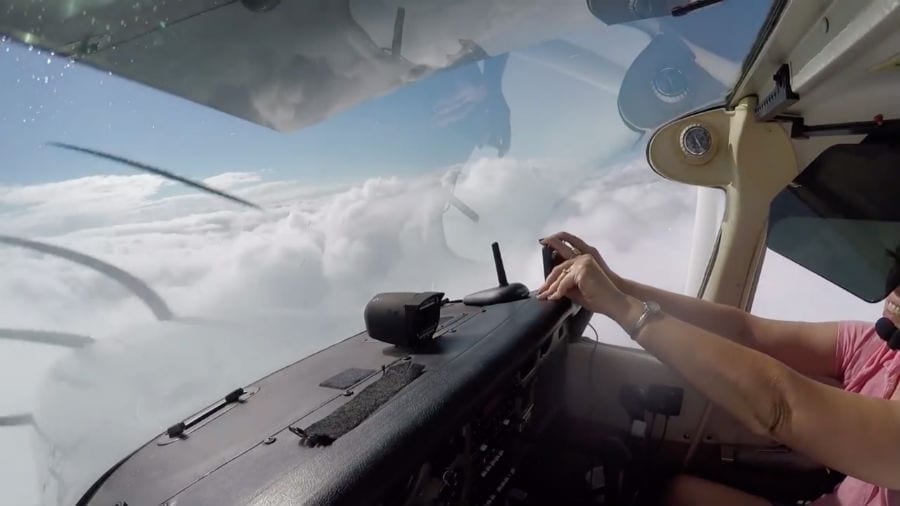
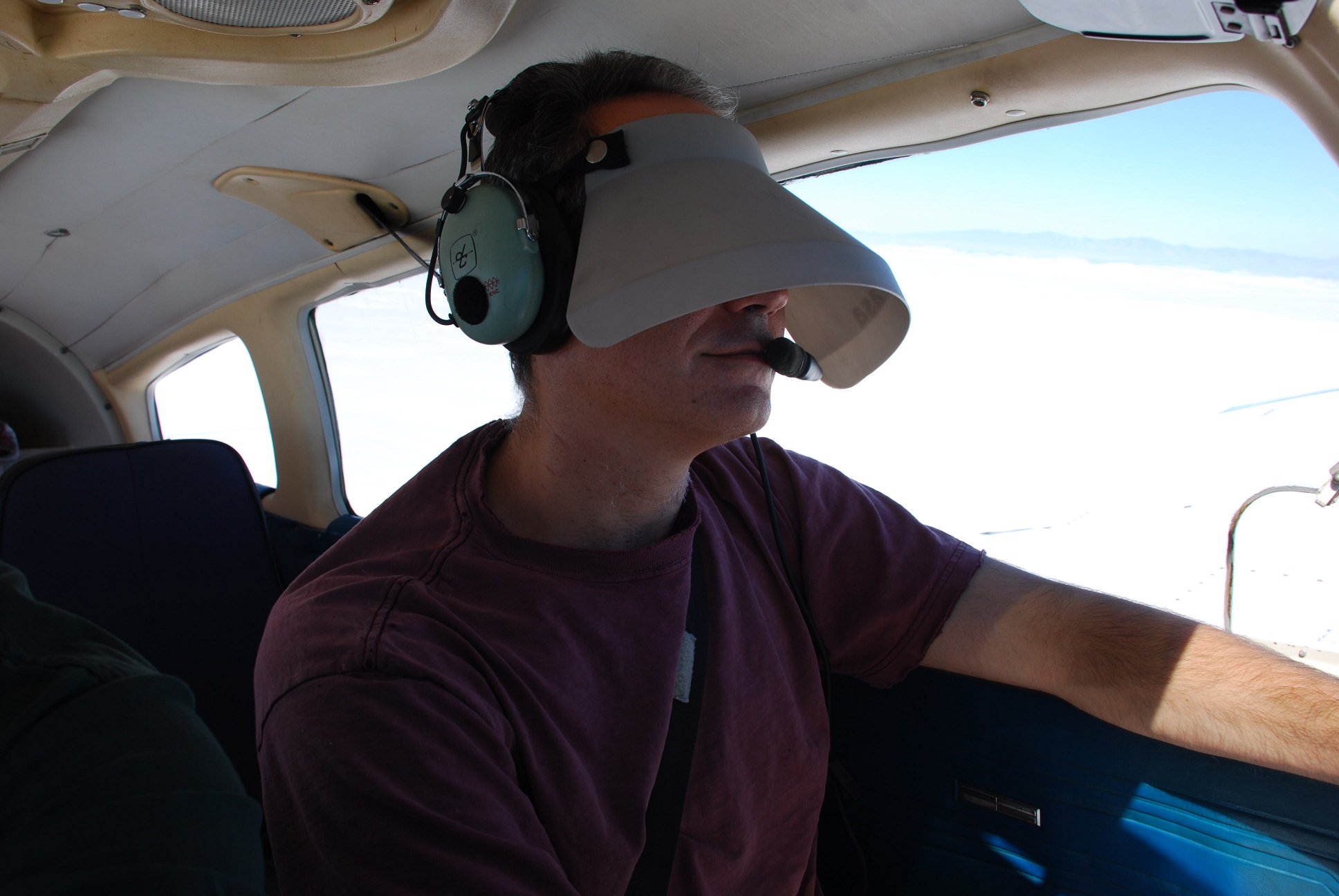
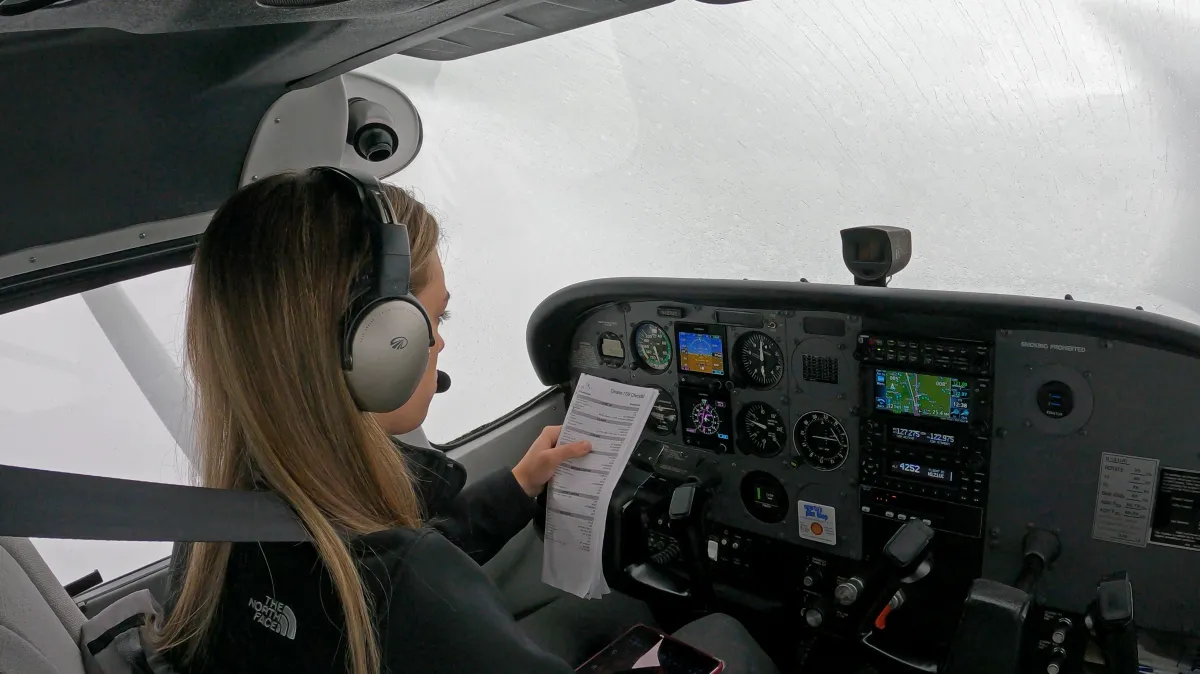
Instrument flying is a different kind of flying, and it is where a lot of pilots say things finally click. You will learn to control the airplane precisely by reference to your instruments alone, often wearing a view-limiting device that blocks your outside view so you learn to trust the panel. We will cover holding patterns, intercepting and tracking courses, and flying the different types of approaches that bring you down to the runway when you cannot see it until the last few hundred feet.
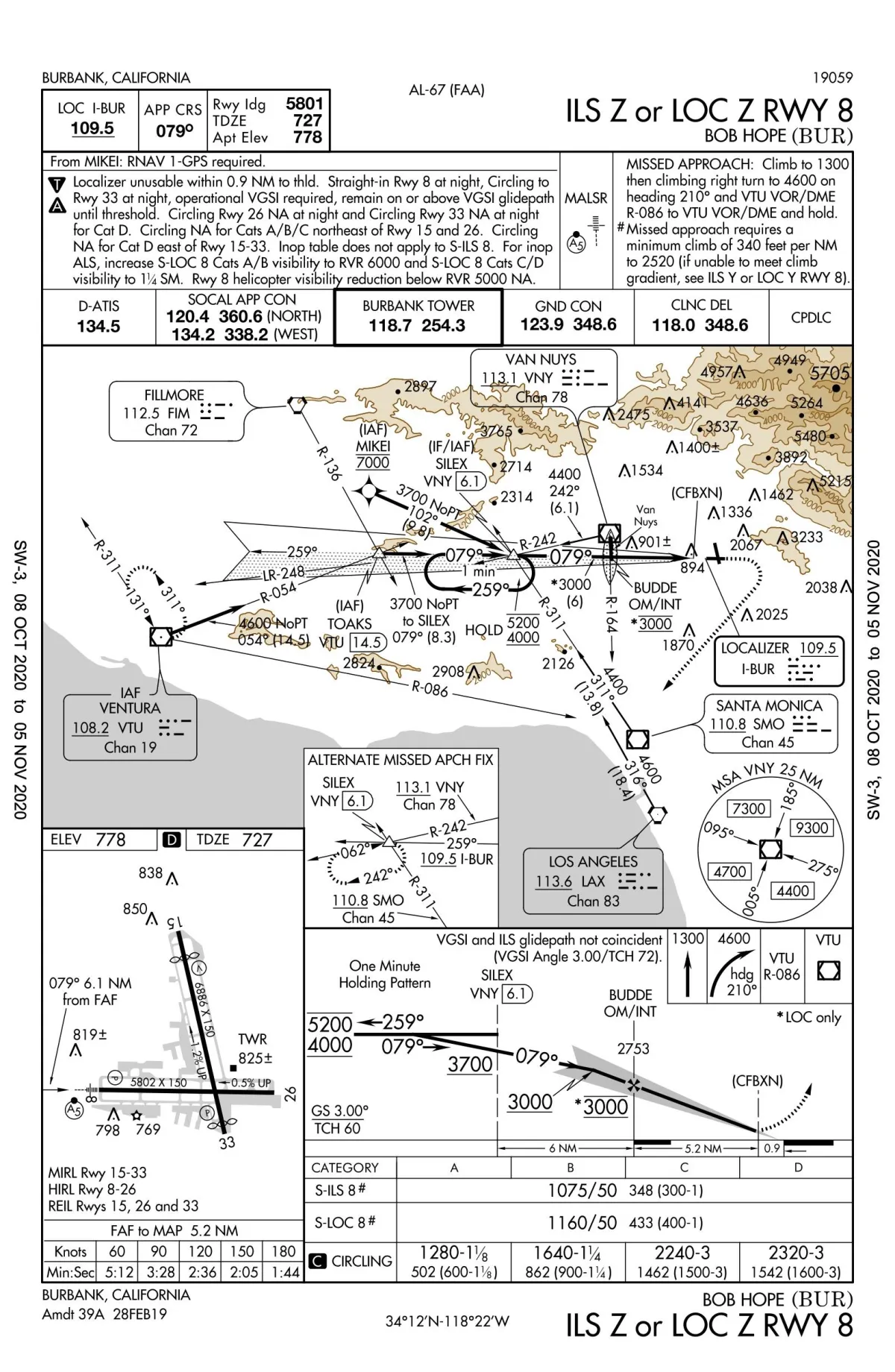
You will also learn the system side of instrument flying, how to read and brief approach plates, how to copy and fly a clearance, how to talk to air traffic control with confidence, and how to plan a flight around real weather. By the end, ATC will be talking to you like the professional you have become, and you will be handling it without breaking a sweat.
What the Training Actually Looks Like
Instrument flying is a different kind of flying, and it is where a lot of pilots say things finally click. You will learn to control the airplane precisely by reference to your instruments alone, often wearing a view-limiting device that blocks your outside view so you learn to trust the panel. We will cover holding patterns, intercepting and tracking courses, and flying the different types of approaches that bring you down to the runway when you cannot see it until the last few hundred feet.
You will also learn the system side of instrument flying, how to read and brief approach plates, how to copy and fly a clearance, how to talk to air traffic control with confidence, and how to plan a flight around real weather. By the end, ATC will be talking to you like the professional you have become, and you will be handling it without breaking a sweat.
A Few Things Worth Knowing
The instrument rating has a reputation for being the toughest rating to earn, and there is some truth to it, but not because it is impossible. It is challenging because it demands precision and consistency, and that is exactly what makes you a better pilot for having earned it. Once you have it, staying instrument current has its own requirements, a set number of approaches, holds, and tracking tasks within the previous six months, and I will make sure you understand exactly how to stay legal and, more importantly, stay sharp. Many pilots consider the instrument rating the most rewarding thing they ever did in aviation, because it is the one that genuinely expands where and when you can go.
What Comes Next
For a lot of pilots, private plus instrument is the perfect combination. You can fly for fun, take real trips, and not get grounded every time a cloud shows up. That is a fantastic place to be, and plenty of pilots happily stop right here.
But if you are eyeing a career, the instrument rating is a required building block, and the commercial certificate is the next step. That is where you start flying to professional standards and open the door to getting paid to fly. No pressure to decide today. Get comfortable in the clouds first, and we will talk about what is next when the time is right.
READY TO GIVE US A TRY?
Call now to schedule!
Ready to stop letting the weather run your schedule? Reach out and let's map out your instrument training and get you started. No pressure, just a conversation about becoming a more capable pilot.