
This Is Where Flying Becomes a Career
The commercial certificate is the one that lets you get paid to fly. It is the line between flying as a hobby and flying as a profession. If you have made it this far, you already know this is what you want. Let's sharpen you into the pilot the industry is looking for.
What Is a Commercial Pilot Certificate?
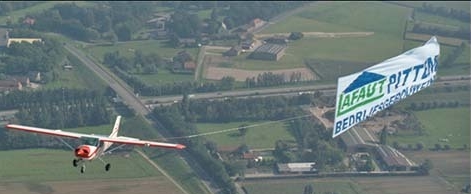
The commercial pilot certificate is the certificate that legally allows you to be compensated for flying. Up until now, every hour you have flown has been on your own dime, for your own reasons. The commercial changes that. With it, you can fly for hire, tow banners, give scenic tours, fly traffic watch, haul cargo, and step into the entry-level jobs that start building the career most professional pilots are chasing.
It is also a genuine step up in skill. The commercial is about precision and command of the airplane at a level the private and instrument only hinted at. You will fly maneuvers to tighter standards, handle a more complex aircraft, and start thinking like a professional rather than a hobbyist. This is the certificate where you stop flying like someone learning, and start flying like someone who gets paid for it.
What You Need to Get Started
To pursue a commercial certificate under Part 61, you will need to already hold a private pilot certificate, and you should hold an instrument rating. You can technically earn the commercial without the instrument rating, but doing so puts limitations on your certificate that make it far less useful, so almost everyone gets the instrument first. That is why the standard path is private, then instrument, then commercial.
You will need to be at least 18 years old, be able to read, speak, write, and understand English, and hold at least a second class medical certificate, since that is what commercial privileges require. From there, it is a written knowledge test and a practical test with an FAA examiner, same as the ratings before it.
What You Need to Get Started
To pursue a commercial certificate under Part 61, you will need to already hold a private pilot certificate, and you should hold an instrument rating. You can technically earn the commercial without the instrument rating, but doing so puts limitations on your certificate that make it far less useful, so almost everyone gets the instrument first. That is why the standard path is private, then instrument, then commercial.
You will need to be at least 18 years old, be able to read, speak, write, and understand English, and hold at least a second class medical certificate, since that is what commercial privileges require. From there, it is a written knowledge test and a practical test with an FAA examiner, same as the ratings before it.
The Flight Time Requirements
This is the big one, and it is where the commercial differs most from the ratings that came before. Under Part 61, you need 250 hours of total flight time. That includes 100 hours in powered aircraft, 100 hours as pilot in command, 50 hours of cross country as pilot in command, and 20 hours of specific commercial training.
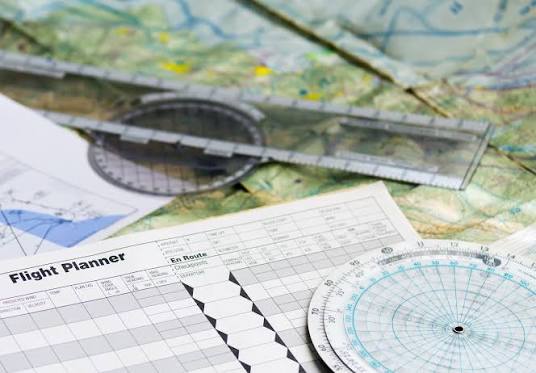
The good news is that most of those hours are hours you build by simply flying, so a lot of pilots reach the commercial by continuing to fly and gain experience after their instrument rating. Built into the requirements are some specific flights, including a long cross country and a period of dedicated training on commercial maneuvers. Because this certificate is hours-heavy, the honest timeline depends less on how fast you learn and more on how you build the time. We will map out the most efficient and affordable way to get you from where you are now to 250 hours and a checkride.
What the Training Actually Looks Like
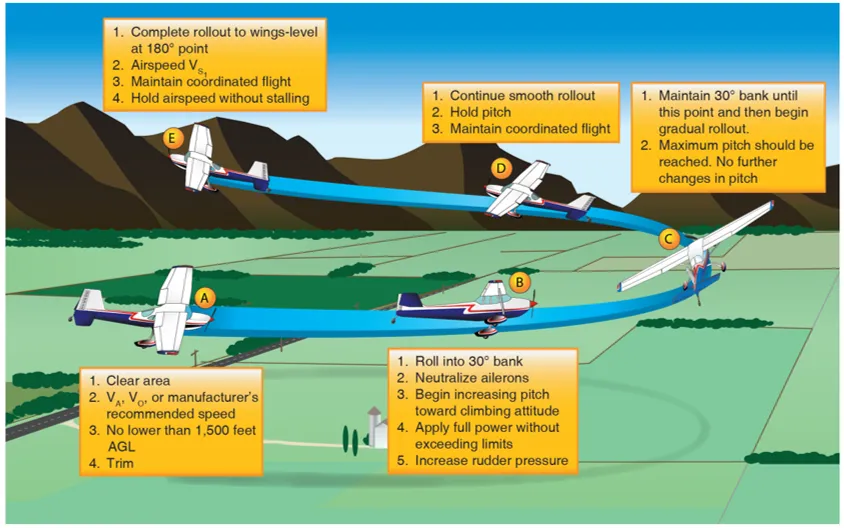
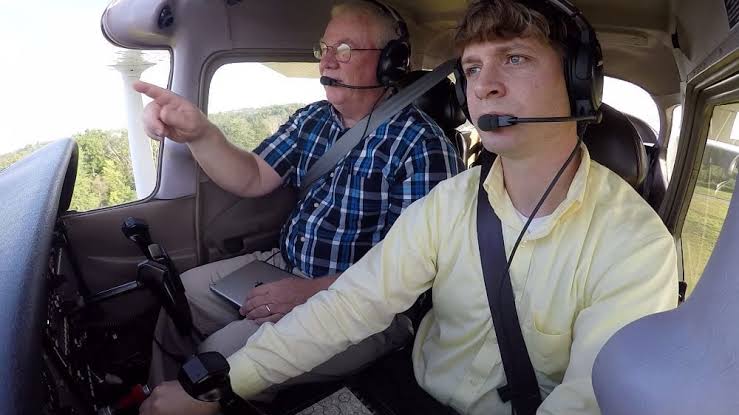
The flying itself gets sharper. Commercial maneuvers like chandelles, lazy eights, eights on pylons, and steep spirals are about flying the airplane with precision and finesse, controlling energy and geometry in a way that genuinely makes you a better stick. You will also typically train in a more complex airplane, one with retractable landing gear, flaps, and a controllable pitch propeller, which teaches you to manage a more capable machine.
Alongside the flying, we cover the knowledge a professional pilot is expected to have, deeper systems understanding, commercial regulations, and the aeronautical decision making that separates a pilot who gets paid from a pilot who does not. By the end, you will not just meet the standard. You will fly like someone the industry would be glad to hire.
What the Training Actually Looks Like
The flying itself gets sharper. Commercial maneuvers like chandelles, lazy eights, eights on pylons, and steep spirals are about flying the airplane with precision and finesse, controlling energy and geometry in a way that genuinely makes you a better stick. You will also typically train in a more complex airplane, one with retractable landing gear, flaps, and a controllable pitch propeller, which teaches you to manage a more capable machine.
Alongside the flying, we cover the knowledge a professional pilot is expected to have, deeper systems understanding, commercial regulations, and the aeronautical decision making that separates a pilot who gets paid from a pilot who does not. By the end, you will not just meet the standard. You will fly like someone the industry would be glad to hire.
A Few Things Worth Knowing
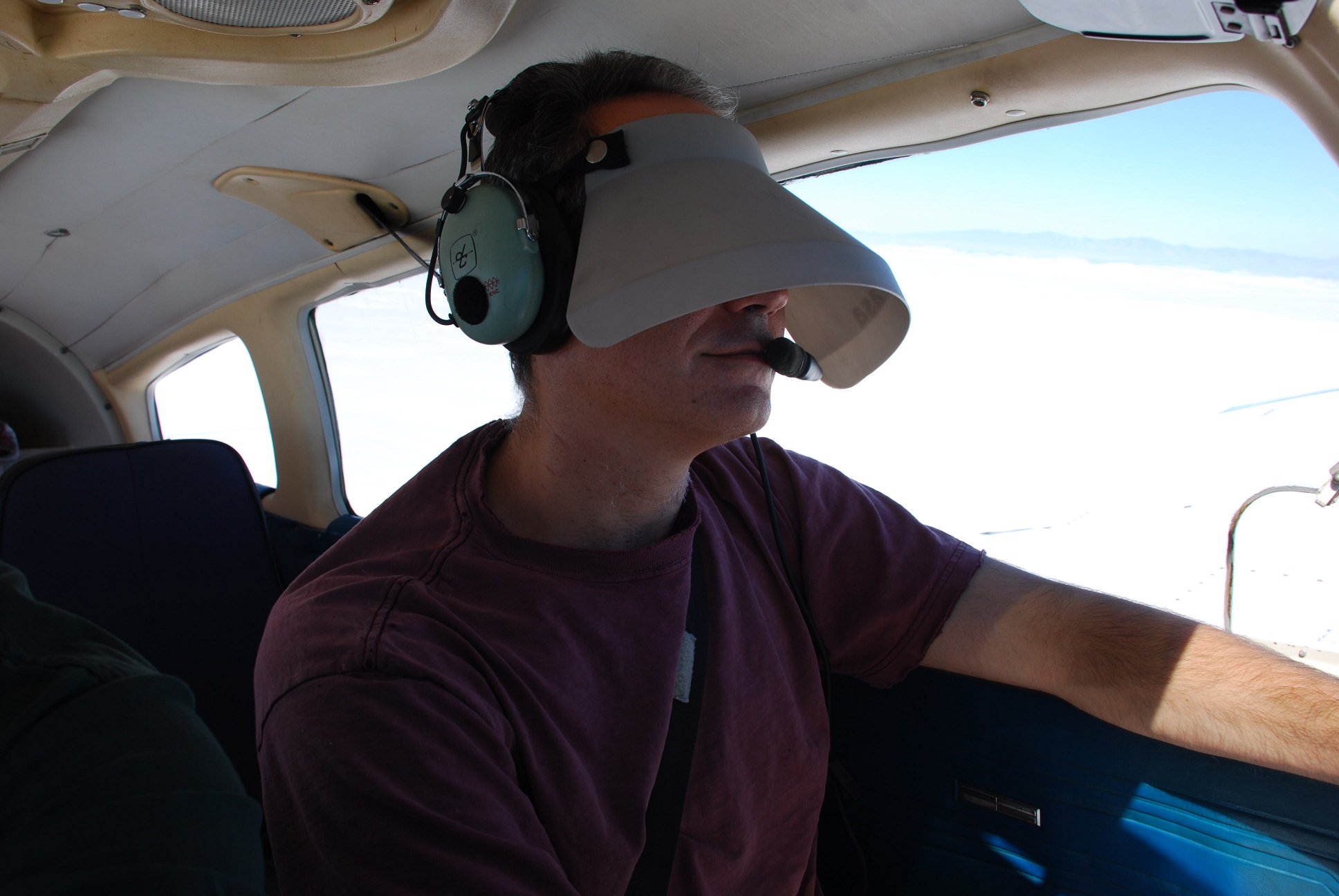
The commercial certificate is often the point where a pilot starts seriously eyeing that first paid flying job. It is also the gateway to becoming a flight instructor, which is how most pilots build the hours toward the airlines while getting paid to fly. Earning your commercial does not require an instrument rating, but flying commercially without one leaves you limited to daytime, good weather, and short distances, which is why the instrument comes first for nearly everyone serious about a career. The maneuvers you learn here, the precision and energy management, will stick with you for the rest of your flying life, all the way into the flight deck of an airliner.
What Comes Next
Earning your commercial is a real milestone. You are now, by definition, a professional pilot. But for most people, the commercial is not the finish line, it is the launch pad. The most common next step is the flight instructor certificate, the CFI. Becoming an instructor lets you get paid to fly while building the hours you need for the airlines or other flying careers, and it makes you a dramatically sharper pilot in the process, because nothing forces you to truly master something like having to teach it.
If your goal is the airlines, corporate, or cargo, the path runs through building hours, and instructing is the most common way pilots do exactly that. When you are ready, let's talk about the CFI and the road ahead.
READY TO GIVE US A TRY?
Call now to schedule!
Ready to turn flying into a career? Reach out and let's build the plan to get you from where you are now to a commercial certificate and your first professional flying job. This is the real thing, and I've walked the road you're about to.